
I Brought a Dead App Back From the Grave With AI-Assisted Development
I Brought a Dead App Back From the Grave With AI-Assisted Development
A few years ago when ChatGPT was new-new, my husband Ryan and I were using it a lot to explore recipe development based on what we had in the fridge. I remember being a tween and playing around on the website Extra Tasty, which would allow you to upload all of the ingredients you had in your bar and tell you what cocktails you could make with them.
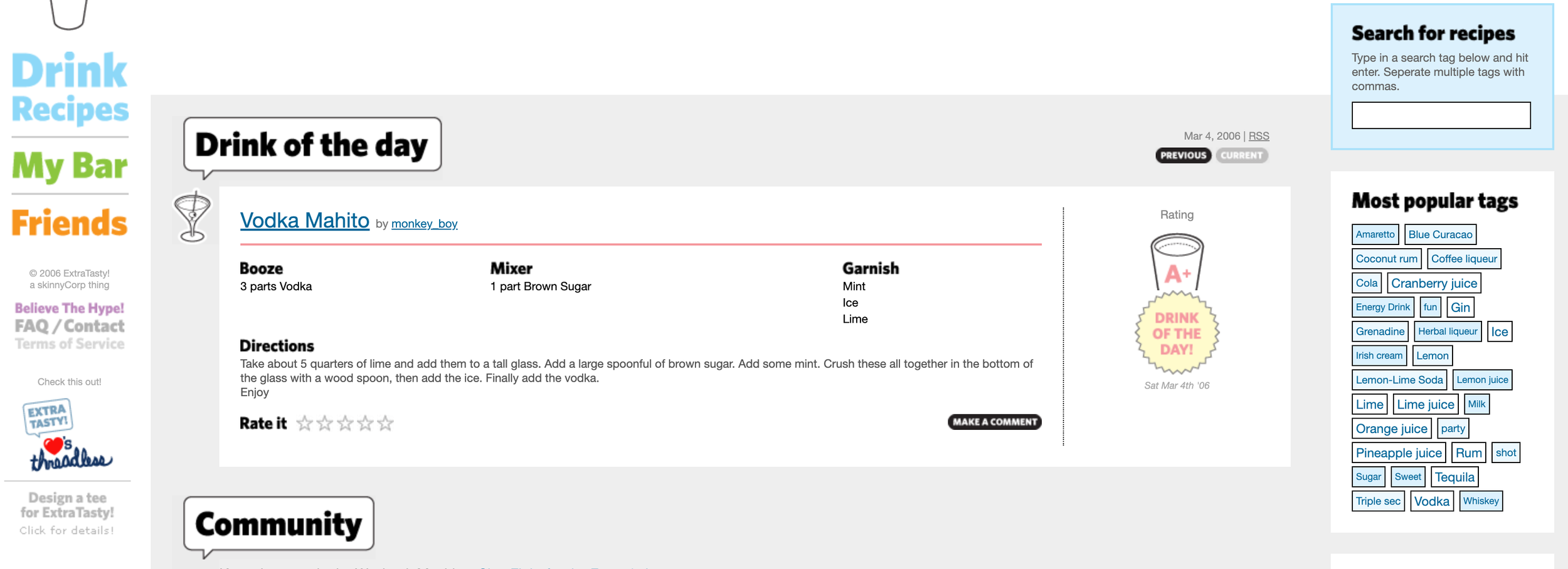
Why did I use this as a tween? No idea. This seems like a fever dream at this point, 20 years ago, but you could literally download recipes as .txt files and load them on to your iPod for hands-free digital recipes. GROUNDBREAKING.
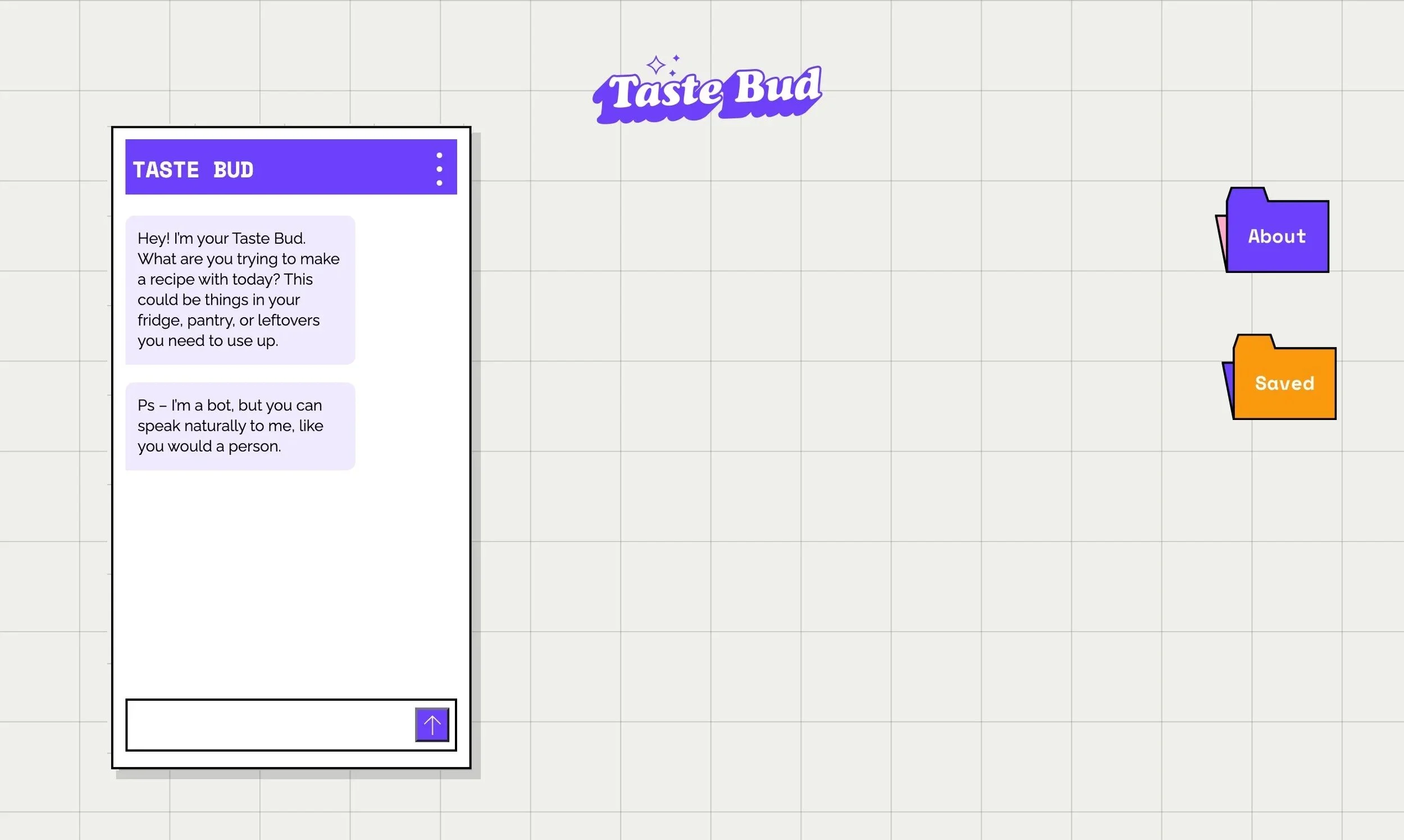
Anyway, I did love this concept – hate wasting food, love getting out of creative ruts, so I’ve played with versions of this in the past using Google Sheets. I saw a potential opportunity to play with this concept with ChatGPT to make Taste Bud. This was an AI-powered recipe generator where you'd describe whatever was languishing in your fridge or pantry and get back a creative recipe with a pixel-art illustration of the finished dish. It lived at taste-bud.io and briefly went viral, and then at some point it just stopped working. I The original was built by an actual developer using a proper stack, and when it broke, I didn't have the knowledge to fix it myself, so it quietly went dark. Plus I had no plan to monetize it, so I didn’t want to keep throwing money at it just as a vanity project. This is the story of rebuilding it from scratch, with Claude as my collaborator, and it's the most personal entry in the vibe-coded series so far.
Why rebuild this one specifically?
I've spent the last while doing a lot of AI-assisted development, civic tech tools, web apps, hardware projects, and I wanted a real test case, not something brand new, but something I already knew intimately and genuinely missed. Taste Bud wasn't a throwaway idea. Ryan and I built it together, it worked, and losing it to a quiet, unfixable break felt different than losing a random side project. Rebuilding it was as much about getting something back as it was about testing what AI-assisted development could actually do.
How faithful was the rebuild?
Extremely, on purpose. When Claude builds things, it uses a really specific default style: cream colors, random serif typefaces, and buttons in weird places. I wanted to see how close I could get to my original design from Figma, and not just have it work. I wanted the retro Windows-style UI with draggable windows, the purple and orange palette, the pixel-art food mascot, and the plain, conversational way you'd just talk about what was in your fridge, all of it recreated as closely as possible. I had screenshots and the original designs of the first version. Claude had the ability to write the code. I built and iterated entirely inside a live interactive widget, I'd point out what wasn't matching the original screenshots, Claude would update the code, and I could click around and test immediately. That loop is how we nailed the font choices, the little offset ear tabs on the folder buttons, and eventually got the pixel-art mascot, a purple-haired character sitting in a bowl of food, looking right again. I guess this is vibe coding but I did have a really specific direction I wanted to work towards.
The draggable windows were their own small fight. Getting dragging to work reliably inside a sandboxed environment took calculating window positions off the actual container width at load time, and scoping the mouse and touch listeners to the desktop container itself rather than the whole document.
What broke, and what was the actual fix?
The backend runs through a couple of serverless functions, one that calls the Anthropic API to generate the recipe and its name, one that calls an image model to generate a custom pixel-art illustration of the dish. The image generation had real gotchas. The first model we tried was too slow. The faster one initially failed for a boring reason, insufficient billing credits, easy enough to diagnose once I actually looked at the logs.
Then there was the one that made me laugh: a recipe for caramelized bananas got flagged by an NSFW content filter, because the image prompt described "orange flame wisps and warm dessert glow," language that read as ambiguous to a classifier even though it was describing dessert. The fix was tightening the instructions so recipe descriptions stick to plain, literal food language instead of anything evocative that could be read sideways by a filter that has no idea it's looking at bananas.
Deployment had its own small comedy of errors too, a subfolder naming issue that had the host looking for a base directory that didn't exist, a space in a folder name breaking config parsing, none of it catastrophic, all of it the kind of plumbing that has nothing to do with how good your AI collaborator is.
How long did this actually take?
The whole rebuild happened over a few days on a whim. What would have taken me weeks of fumbling through documentation I don't have background in took hours of iterative conversation instead, which is a real bonus. The things that slowed us down weren't the code, they were deployment plumbing and API edge cases, the kind of friction that involves real systems with real state and that no amount of AI assistance fully insulates you from. That's just the job.
Try it yourself
Taste Bud is live again at tastebud.sarahclawrence.com. Go tell it what's in your fridge.
FAQ
Why did the original app stop working? It was built by a developer using a stack I didn't have the technical background to maintain, so when something broke, I had no way to fix it myself and it eventually went dark.
Is this a solo project? No. Taste Bud was originally built with my husband and longtime collaborator, Ryan, and the rebuild carries his name forward in the app's credits too.
What does the app actually do? You describe what's in your fridge or pantry in plain language, and it generates a creative recipe along with a custom pixel-art illustration of the finished dish.