Koozie Museum
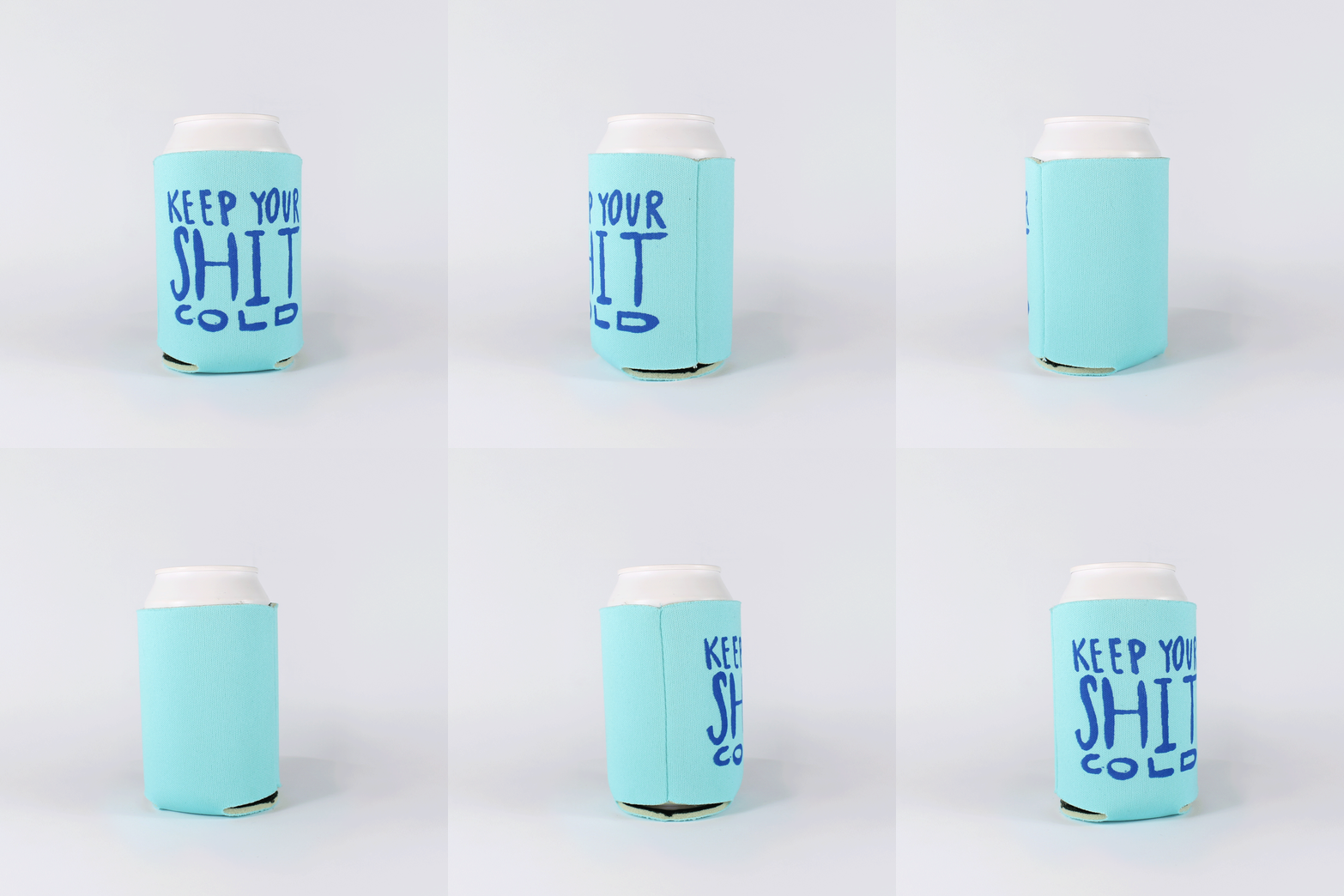
I’ve been collecting koozies for more than a decade, and I built a digital archive of more than 80 of them: bar merch, wedding favors, brewery giveaways, family-reunion souvenirs, and other tiny pieces of regional commercial art. I designed and built the site, made a homemade 360° photography rig, photographed every object with my husband, and turned the images into GIF sprites for the archive.
Why make a whole website about koozies?
This started with a conversation while working on Dope Girls. One partner wanted to make koozies; the other thought they were stupid.
They are a little stupid. But they are also extremely specific cultural objects.
Koozies are not as much of a Thing outside the South as they are here. Around here, they show up at breweries, bars, weddings, fundraisers, family reunions, beach trips, restaurant crawls, church events, and roadside stores. They hold a drink cold, obviously, but they also advertise a place, commemorate a weekend, make a joke, or prove you were there.
I love them because they are a strange form of commercial art: a tiny space, high-quantity production, and usually one shot to get a message across. Some are beautifully designed. Some are deeply weird. Some are doing their absolute best.
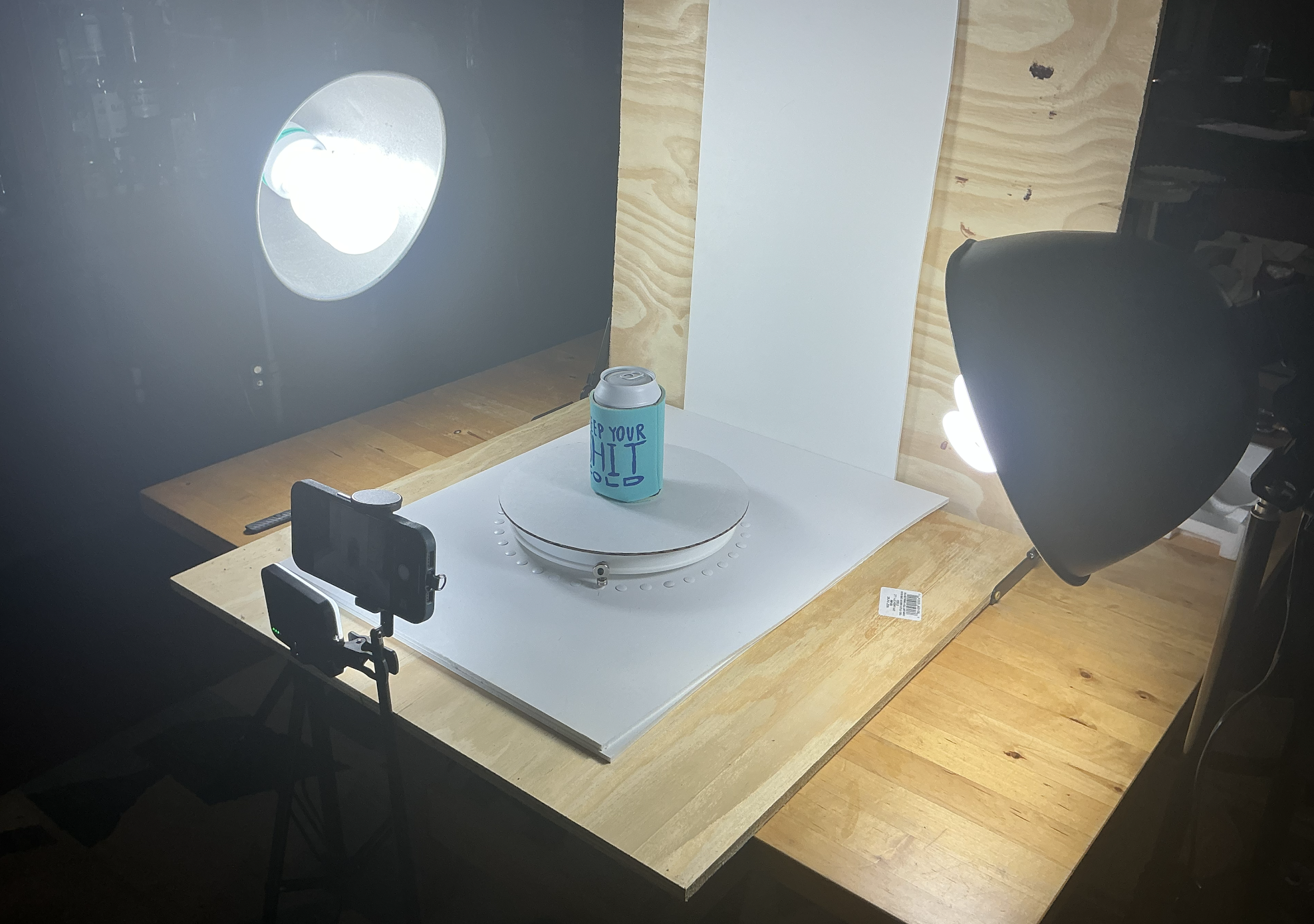
If you zoom in, you’ll see all 36 of the little thumbtacks and the magnet that locks each one in place.
What is actually in the archive?
The Can Cooler Collection is a searchable digital archive of more than 80 foam, neoprene, and fabric can coolers from 2018–2026.
Each object has a catalog record with its title, year, material, print method, and maker when I know it. The collection is also organized into groupings like dive bars, regional barbecue, breweries, band merch, family reunions, events, and civic or fraternal organizations.
I wanted it to feel less like an online store and more like a tiny design museum for objects that do not usually get treated like museum objects.
How did I photograph them?
I built a 360° photography rig using magnets and thumbtacks.
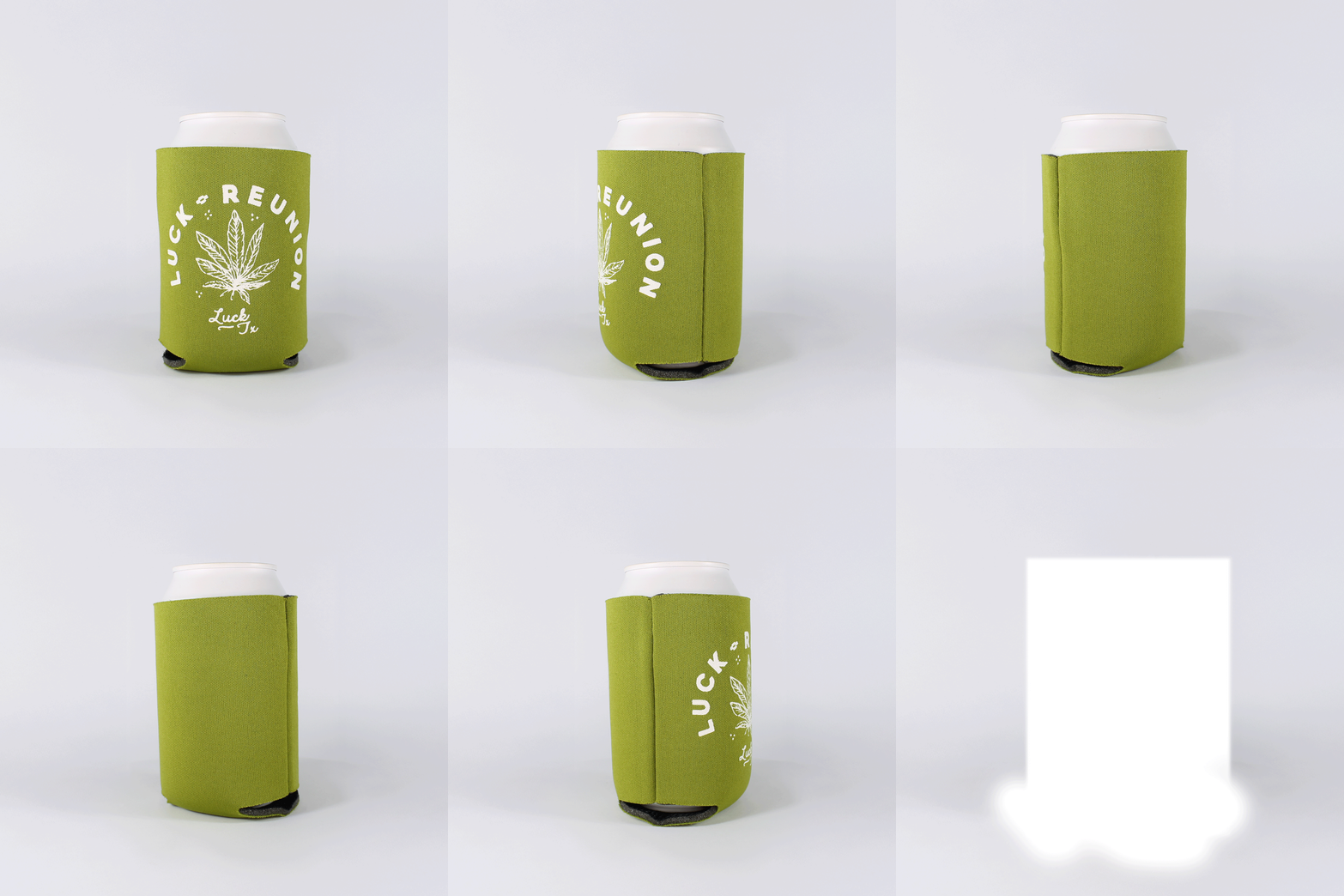
The goal was to show each object as a real thing with shape, seams, wrinkles, printing quirks, and a back side—not just a flat product image. My husband helped me photograph all of the koozies, then I converted the resulting images into looping GIFs.
The GIFs let you rotate each object right in the archive. You can see how the design wraps around it, which matters when the whole object is essentially a small cylindrical billboard.
What is the technical part?
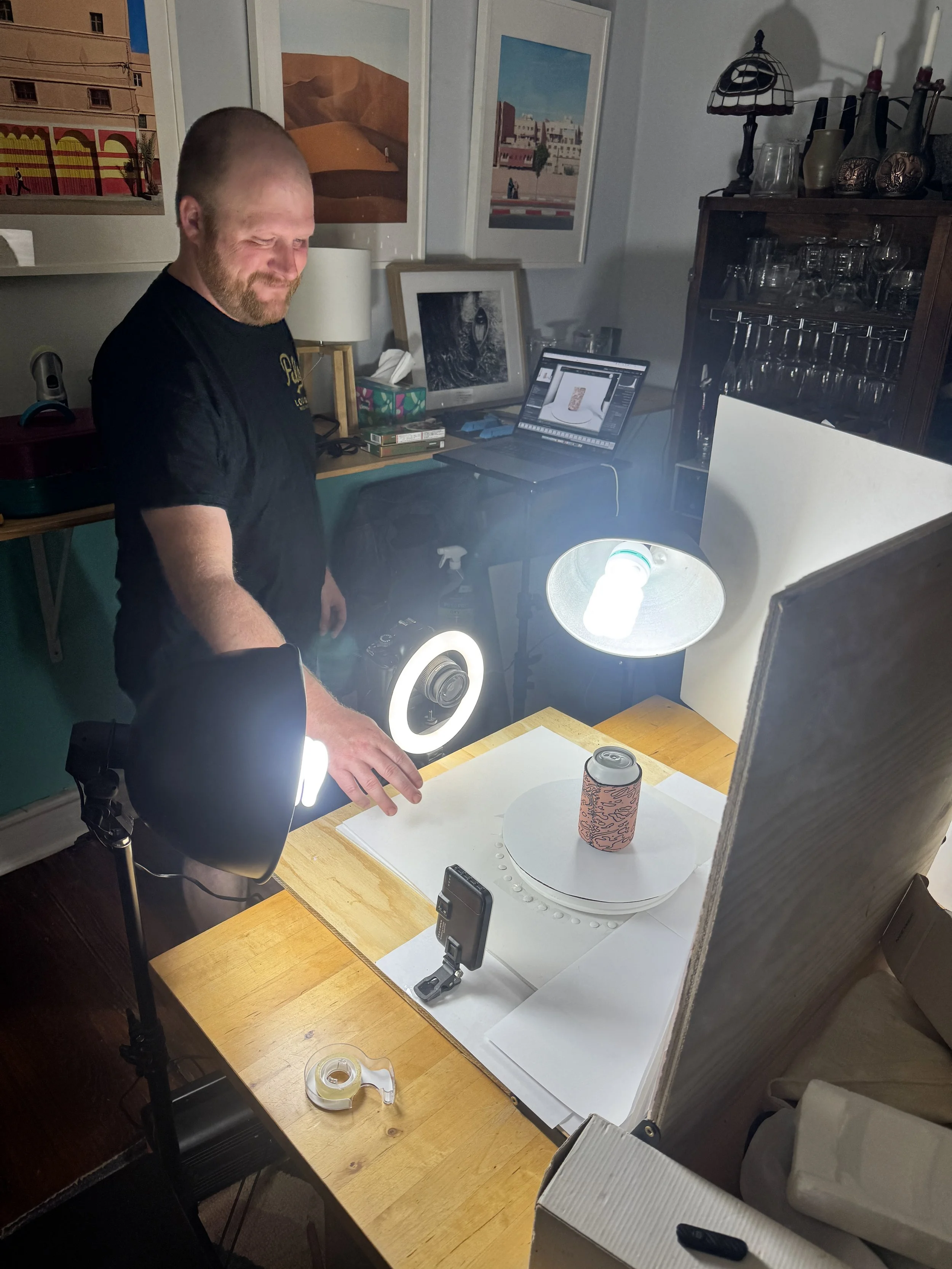
Pictured: my DSLR from college, my ancient Macbook Pro, some lights I got for free, a ring light from an old project, and the white backside of some old project boards from another project. All repurposed!
I used a Python snippet to turn the GIF frames into sprites, then uploaded and organized the archive myself.
Sprites keep the site lighter than loading a pile of individual full-size images for every object, while still giving each koozie a little bit of motion. The archive also lets people browse by material, print method, and collection instead of forcing them to scroll through a long, undifferentiated pile of stuff.
There is something satisfying about putting real-world objects into a system that makes them easier to notice. You start to see patterns: the colors certain industries use, the phrases that keep coming back, how different printing methods change the whole feeling of an object, and the strange specificity of regional humor.
Is this an AI project?
I want this to be an applied-AI project grounded in real things in real space.
The collection is not about asking a model to invent a fake koozie. It is about building a structured visual archive of actual objects that can eventually be searched, compared, and studied in more interesting ways.
The useful part of AI here, to me, is not replacement. It is helping people ask better questions of a real collection: What design patterns show up in Southern brewery merch? Which materials or print methods are tied to certain kinds of events? What does a family reunion koozie look like compared with a civic fundraiser one?
Before any of that, though, somebody has to collect the objects, photograph them, identify them, and make the archive. That part is still very hands-on. There were magnets. There were thumbtacks. There were a lot of koozies on my floor.
Why does this matter?
Because commercial art is still art, even when it is wrapped around a beer.
These objects are small, cheap, useful, and made in quantity. They are also regional records of where people go, what they celebrate, how businesses talk about themselves, and what jokes were funny enough to print on 100 pieces of neoprene.
I think they deserve a closer look.
Explore the collection at koozie.sarahclawrence.com.
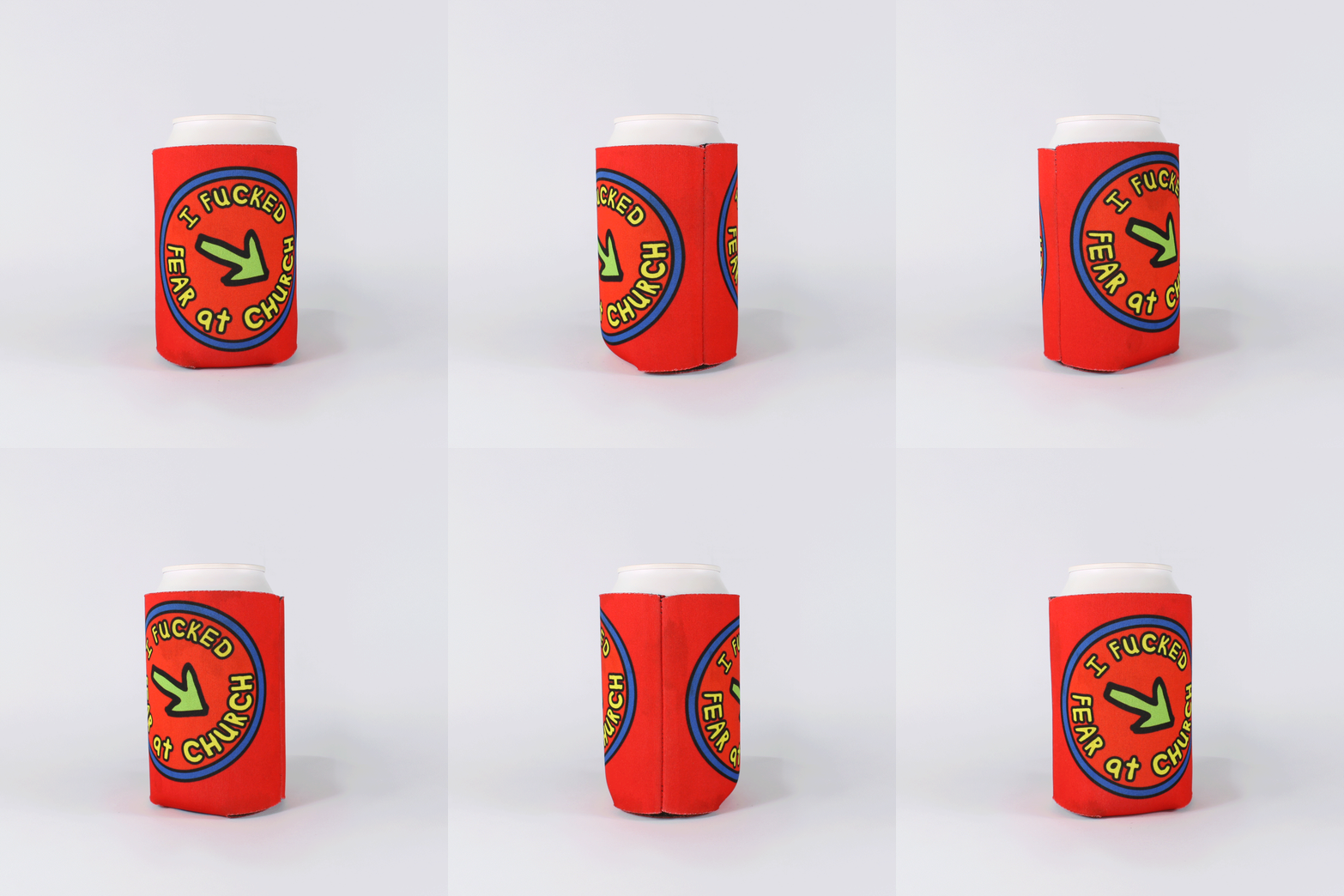
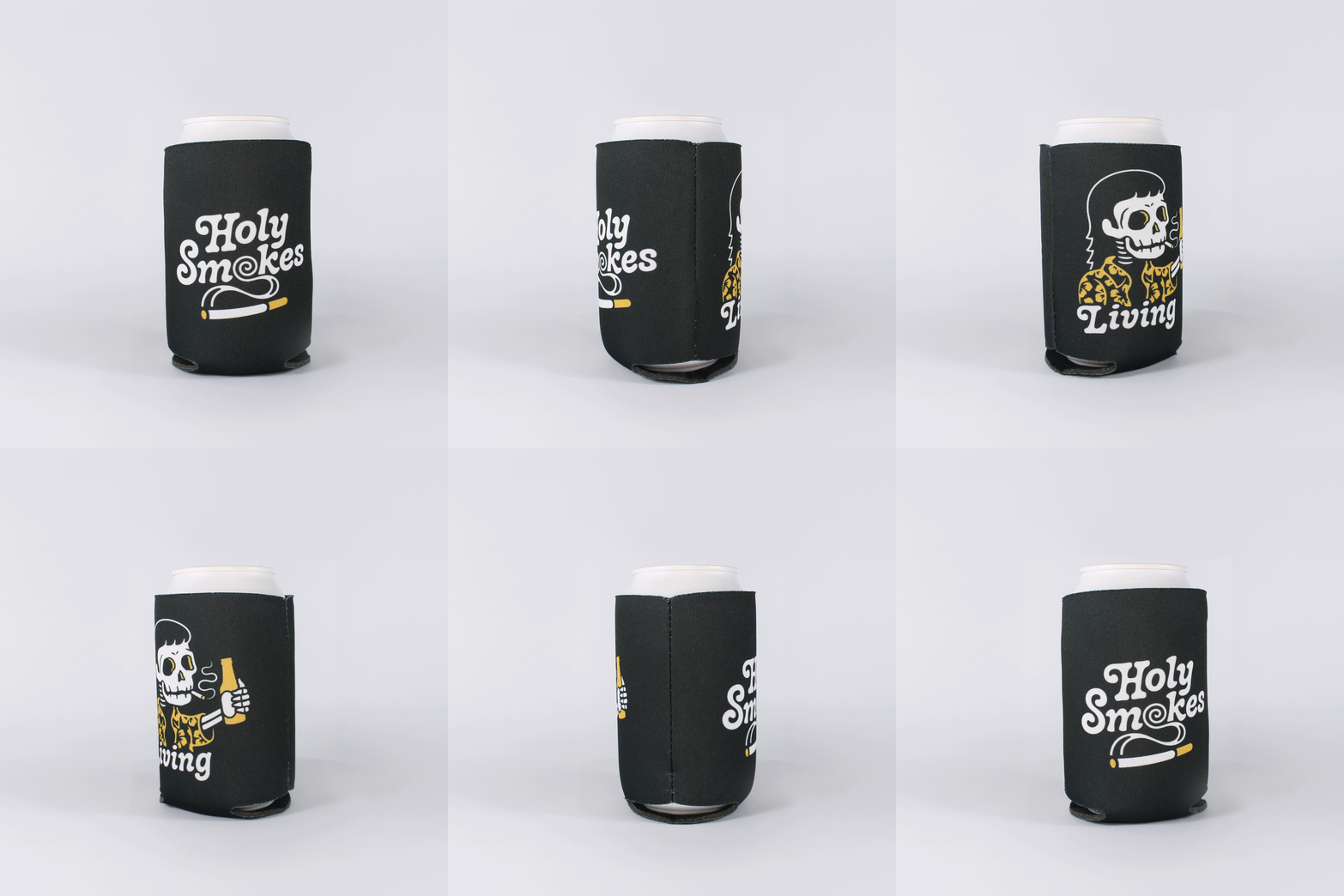
FAQ
What is The Can Cooler Collection?
The Can Cooler Collection is a digital archive by Atlanta designer Sarah Lawrence (me!) documenting more than 80 foam, neoprene, and fabric can coolers as examples of Southern regional culture and commercial art (but they aren’t always from the south).
How were the can coolers documented?
I built a handmade 360° photography rig with magnets and thumbtacks. My husband and I photographed the collection, then I converted the images into GIFs and sprite files for the website.
What kinds of objects are included?
The archive includes can coolers from breweries, bars, restaurants, family reunions, events, barbecue competitions, bands, civic groups, and other regional gatherings.
How does this connect to applied AI?
The archive creates structured visual and descriptive data from real physical objects. It is a foundation for future AI-assisted research, comparison, and discovery—not an AI-generated collection.